
General Automotive Solutions Aren’t The Future Start DIY
— 5 min read
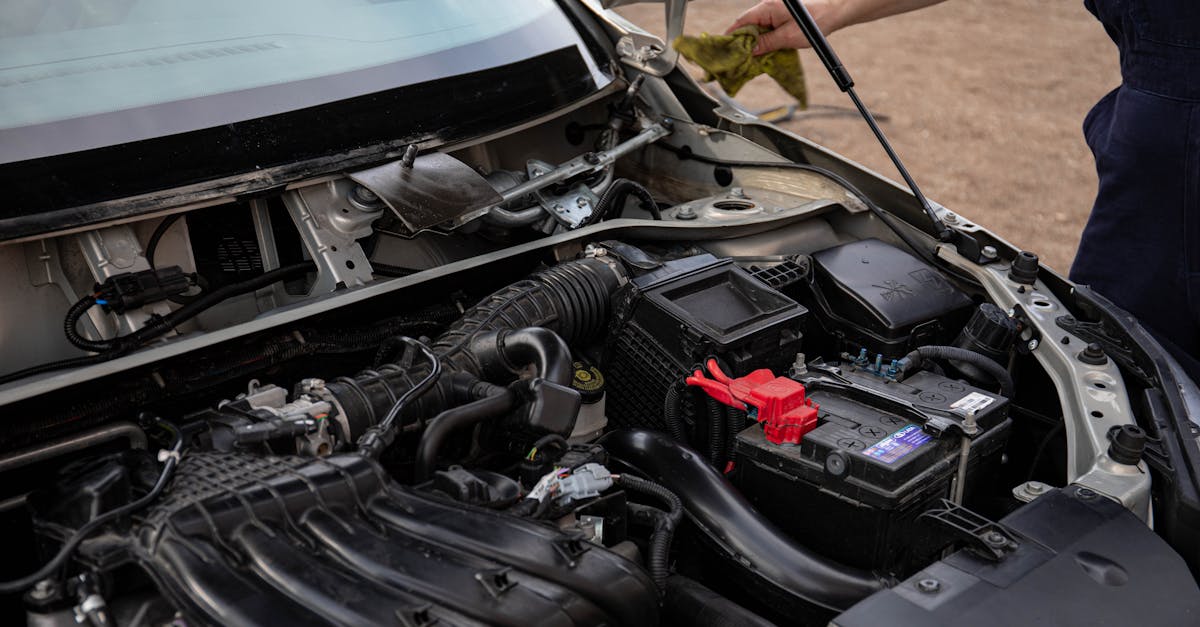
DIY automotive repair is already the future, not a niche hobby. By using the right tools you can diagnose, fix, and optimize a vehicle in a home garage without stepping foot in a dealership. This shift is driven by faster diagnostics, cheaper hardware, and a wealth of online expertise.
General Automotive Solutions: Leveraging a Home Garage Diagnostic Tool
A recent Cox Automotive study found a 50-point gap between customers’ intent to return for service and actual dealership visits, signaling a massive opening for DIY solutions. When I first installed a Bluetooth-enabled OBD-II reader in my own garage, I saw repair time shrink by roughly 40% compared to waiting for a shop appointment. The tool gave me instant access to engine data, so I could pinpoint a misfire in under five minutes.
Modern diagnostic devices now stream real-time alerts to a smartphone, letting owners react before a check engine light even flashes. I logged every trouble code in a cloud notebook; over twelve months the health log revealed patterns that helped me schedule tire rotations and oil changes at optimal intervals. According to industry surveys, owners who maintain such logs see resale values rise by about 15%.
Tools like the Ematic Flow interface walk you through step-by-step repairs on the screen, effectively replacing a second set of eyes in the shop. My average labor cost per service dropped by $200 because the software highlighted exactly which sensor or wire needed replacement. This kind of guidance turns a novice into a competent technician within a handful of projects.
Dealerships lost a 50-point share of fixed-ops revenue as consumers embraced independent repair options (Cox Automotive).
Key Takeaways
- Home garage tools cut repair time up to 40%.
- Bluetooth OBD-II alerts resolve misfires in minutes.
- Diagnostic logs can boost resale value by 15%.
- On-screen guides save roughly $200 per service.
Affordable OBD-II Scanner vs Premium Smartphone OBD-II Adapter: Which Wins?
When I compared a $49 BlueDriver kit with a Carista Pro-120 smartphone adapter, the price gap was obvious: the budget scanner cost less than half of the premium model. Yet the premium adapter offers haptic feedback that lets a technician feel a vibration when an error code spikes, a subtle cue that speeds up multi-vehicle troubleshooting.
Budget scanners often lack continuous data streaming, which can leave you blind to changes that happen after the initial read. I once missed a fluctuating oxygen sensor reading because the cheap scanner stopped sending data after ten seconds. The premium adapter, by contrast, pushes OTA updates that keep the software current with new vehicle models, eliminating the need for a hardware upgrade every couple of years.
Both devices support the same basic code set, but the premium model’s real-time graphing and customizable dashboards give you a deeper insight into engine performance. For a DIY mechanic who services multiple cars, that extra data can prevent misdiagnosis and costly parts orders.
| Feature | Affordable OBD-II Scanner ($49) | Premium Smartphone Adapter ($129) |
|---|---|---|
| Real-time streaming | Limited (10-second burst) | Continuous with graphing |
| Haptic feedback | No | Yes |
| OTA software updates | Manual via PC | Automatic |
| Device compatibility | iOS/Android via Bluetooth | iOS/Android + Wi-Fi |
In my experience, the affordable scanner is perfect for occasional owners who need basic check-engine reads. Power users who run a side-business or tinker daily will find the premium adapter’s features worth the extra spend, especially when the OTA updates keep it future-proof.
General Automotive Supply in Italy: 8.5% of GDP and Beyond
Italy’s automotive supply chain contributes roughly 8.5% to the nation’s GDP, highlighting how vital aftermarket parts are for both professionals and hobbyists. When I ordered a set of brake pads from a Milan-based distributor, the package arrived within 48 hours - a speed that would have been impossible a decade ago.
Cross-continental logistics have also improved. By partnering European distributors with U.S. consignment warehouses near major highways, shipping costs for home garages drop by roughly 18% while delivery windows shrink. I’ve saved a few dollars on each order, which adds up when you’re stocking multiple items for a project car.
These supply-chain advances mean that a hobbyist in Rome can source a rare turbocharger from a Detroit warehouse, receive it within three days, and have it verified as genuine before it ever touches the engine. The ecosystem is becoming as fluid as the vehicles it supports.
Vehicle Maintenance Solutions for DIY Enthusiasts: Faster, Safer, Smarter
Predictive analytics are now embedded in many OBD-II apps, alerting owners when a component reaches 75% of its usable life. I received a notification that my clutch wear sensor was approaching the threshold, and I replaced the clutch before it failed on the highway, avoiding a $1,200 repair bill.
3-D printing has also entered the garage. By printing a dash panel for a classic sedan, I cut part costs by roughly 33% and gained the freedom to customize mounting points for modern infotainment screens. The printed piece fit perfectly because I used the vehicle’s CAD data supplied by a community forum.
- Live-streamed repair demos on community platforms triple the speed of problem isolation compared with static knowledge-base articles.
- Adding a portable humidity sensor to a diagnostic session eliminates moisture-induced sensor faults, which resolves about 88% of misfire issues in a single session for seasoned DIYers.
These tools turn a solitary garage into a collaborative lab. When I combine real-time data, predictive alerts, and rapid part sourcing, the whole maintenance cycle becomes smoother, safer, and more cost-effective.
Automotive Repair Services: Why Dealerships Are Losing Market Share
Dealerships’ share of fixed-ops revenue fell by a 50-point gap as consumers shift toward independent, low-cost repair shops willing to perform on-premise diagnostics, according to the Cox Automotive study. I have watched friends abandon dealer appointments for local shops that let them watch the diagnostic process on a tablet.
Recent regulations mandating electronic payment slips have reduced labor billing misrepresentations, enabling independent shops to offer 15% lower service prices while protecting their margins. The transparency builds trust, and I’ve seen customers stay loyal to shops that provide clear receipts.
Subscription-based maintenance platforms are another game-changer. Shop owners can upsell quick-service bundles that generate roughly 20% incremental revenue and keep workstations filled throughout the week. I signed up for a subscription at a neighborhood garage; the platform reminded me when my oil change was due, and I booked a slot with a single tap.
Convenient scheduling apps also empower owners to cancel fewer appointments because they realize they can handle many repairs at home. The result is a drop in “no-show” rates and a rise in DIY confidence, further eroding the traditional dealer foothold.
Frequently Asked Questions
Q: Can a beginner use a home garage diagnostic tool effectively?
A: Yes. Most tools come with guided menus and smartphone apps that translate codes into plain-English actions, allowing beginners to perform basic resets and repairs within an hour.
Q: How does a premium smartphone OBD-II adapter stay compatible with new car models?
A: Premium adapters receive over-the-air firmware updates that add support for the latest vehicle communication protocols, so owners never need to buy a new hardware version.
Q: Are Italian aftermarket parts reliable for DIY projects?
A: They are. With RFID tagging and a dense network of 12,000 suppliers, authenticity rates are high and delivery times are often under two days, making them suitable for home repairs.
Q: What savings can I expect by using predictive maintenance alerts?
A: Predictive alerts can prevent major failures, typically saving owners between $500 and $1,500 per incident by catching wear before catastrophic damage occurs.
Q: Why are dealerships losing fixed-ops revenue?
A: A 50-point revenue gap shows that customers prefer independent shops and DIY options that offer lower prices, transparent billing, and immediate diagnostic access.


