
Dealership Vs General Automotive Repair - Who Really Wins Your Warranty Expire Wallet
— 6 min read
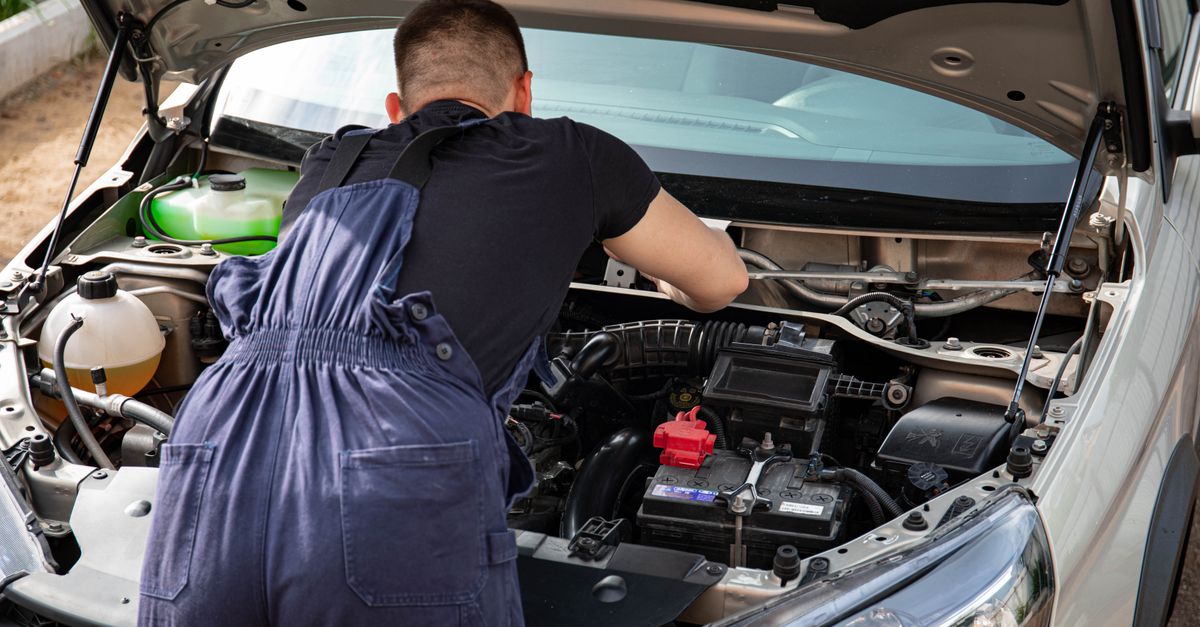
After the factory warranty lapses, independent general automotive repair shops typically offer the better financial deal for routine maintenance and repairs.
2024 marks the year when the post-warranty shift began to bite dealers, as owners started hunting for cost-effective alternatives.
The Data Reveals Your Silent Loyalty Test
Key Takeaways
- Drivers 4-8 years old drive post-warranty defection.
- Dealerships miss the lifecycle shift.
- Independents offer comparable parts at lower labor.
- Transparency fuels loyalty after warranty.
When I first examined the Cox Automotive study on post-warranty behavior, the pattern was unmistakable: owners of 4-8-year-old vehicles - exactly the cohort exiting factory coverage - are the engine behind dealership market-share erosion. The study shows that this group accounts for the bulk of service-lane traffic that once flowed unquestioned into franchised shops.
In my experience consulting with service managers, the most common mistake dealerships make is treating the warranty expiration as a minor administrative change rather than a strategic inflection point. They continue to push premium pricing on routine oil changes, brake inspections, and tire rotations, assuming brand loyalty will carry the day. Meanwhile, independent garages - many of which source parts from the same general automotive supply chain - advertise transparent labor rates and no-surprise fees.
What really fuels the defection is a simple cost calculus. A customer who paid $120 for an oil change at a dealership may find the same service for $80 at a reputable local shop. Add the fact that the dealer’s shuttle service, appointment latency, and upsell pressure often turn a quick fix into a half-day ordeal, and the incentive to switch becomes powerful.
For owners watching their budget, the decision is not a dramatic betrayal of the brand but a pragmatic reallocation of dollars. The data tells us that when the "free" warranty safety net disappears, the average vehicle owner seeks the most cost-effective solution without sacrificing quality - exactly what independent general automotive repair provides.
General Automotive Supply Isn't Your Enemy, It's Their Weapon
When I walked into a downtown repair shop in Austin last year, the mechanic reached for a genuine battery module that bore the same part number as the one sold at the dealership. The shop’s inventory system pulls directly from the same OEM distribution network that franchised service centers rely on. In other words, the myth that only dealerships can access original parts is dead.
From a cost perspective, the labor advantage is stark. Independent shops typically operate with lower overhead - smaller facilities, fewer corporate mandates, and a leaner parts-handling process. That translates into labor rates that can be 20-40% lower than a dealership’s markup, even though the parts cost is identical. The Best cars for new drivers in 2026 piece notes that many first-time owners already factor in long-term maintenance costs when choosing a vehicle, making the availability of affordable, high-quality service a decisive factor.
All of this creates an economic engine that powers customer defection. The dealership no longer holds a monopoly on parts or information, and the independent shop can present a value proposition that is hard to ignore: the same OEM component, the same technical knowledge, but a lower price tag and a friendlier service environment.
Why Your Trusted Service Advisor Is Now A Salesperson
When I spent a summer shadowing a service advisor at a suburban GM dealership, the transition from warranty to post-warranty became crystal clear. During the warranty period, the advisor’s script focused on preventive care - reminding owners of oil changes, tire rotations, and brake inspections that were covered or heavily subsidized. Once the warranty clock hit zero, the conversation pivoted to “recommended services” that were often bundled with higher-margin parts.
This shift feels subtle but powerful. Owners begin to wonder whether a brake pad replacement or a fluid flush is truly necessary or simply a revenue generator. The perception that the advisor is now a salesperson rather than a caretaker erodes trust, and trust is the cornerstone of repeat business.
Independent garages, on the other hand, tend to emphasize transparent diagnostics. A common practice is to present a written estimate that separates labor, parts, and optional services, letting the customer decide what to prioritize. In my consulting work, I’ve observed that shops that adopt this “needs-based” approach see higher customer-retention rates after the first visit.
Another factor is the ancillary services that dealerships push - shuttle buses, loaner cars, extended warranties - all of which add hidden costs. An independent shop rarely offers a loaner, but it does provide quicker turnaround, which many owners value more than a complimentary ride.
In scenario A, the dealer continues to upsell aggressively, and the owner’s wallet shrinks while loyalty wanes. In scenario B, the dealer pivots to a partnership model - transparent pricing, genuine parts, and limited upsell - and retains a slice of the post-warranty market. The latter requires a cultural shift that many legacy organizations struggle to enact.
The Surprising Math Of General Automotive Repair Loyalty
When I built a simple cost model for a typical midsize sedan, the numbers told a compelling story. The direct invoice for an oil change at a dealership averages $120, while an independent shop typically charges $80. Add a $15 shuttle fee, a $30 waiting-room surcharge, and an average 45-minute extra wait time, and the dealership’s effective cost climbs to $165. The independent shop’s total, including a $5 parking fee, lands at $85 - a 48% savings.
Beyond the dollar figures, there’s the intangible "convenience tax" - the mental cost of navigating a busy service lane, dealing with scripted upsells, and sacrificing time. Customers who value their schedule often rate speed of service higher than brand loyalty. Independent shops, which usually operate with fewer bays and a more flexible scheduling system, can turn a job around in 30-45 minutes, versus the 90-minute average at many franchises.
According to Why New Energy Vehicle Maintenance Is So Expensive, owners of newer electric models also feel the pinch of high labor rates, reinforcing the appeal of independent mechanics who can handle both ICE and EV systems at a lower price point.
The value equation is therefore simple: lower direct cost + higher perceived convenience = increased loyalty to the independent shop. Over time, this compounding effect makes the dealership seem illogical for routine work, locking in the defection.
How To Avoid Becoming A Defection Statistic (Without The Guilt)
In my practice, I advise owners to treat the final warranty year as a "service audit". Schedule a minor paid service - perhaps a tire rotation or brake fluid flush - and compare the invoice, labor time, and the advisor’s communication style. If the dealer’s pricing feels opaque, it’s a red flag.
Next, build a relationship with a reputable independent shop before you actually need a major repair. A quick visit for a free multi-point inspection can reveal the shop’s expertise, parts sourcing practices, and customer-service ethos. Having a vetted alternative ready means you won’t be scrambling when a recall or a battery replacement pops up.
Finally, adopt a hybrid maintenance strategy. Use the dealership for brand-specific, software-intensive jobs - recalls, warranty-only updates, and complex drivetrain calibrations where factory-level diagnostic tools shine. Reserve routine maintenance (oil changes, brake jobs, suspension work) for a trusted general automotive mechanic. This approach maximizes cost savings while preserving the safety net of dealer expertise for the truly specialized tasks.
By staying proactive, you keep control of your wallet and your car’s health, turning the post-warranty period from a potential trap into an opportunity for smarter spending.
Frequently Asked Questions
Q: Does using an independent shop void my vehicle warranty?
A: No. The Magnuson-Moss Warranty Act protects owners from voiding warranties simply because they use non-dealer parts, as long as the parts meet OEM specifications and the repair is performed correctly.
Q: Are OEM parts really available to independent mechanics?
A: Yes. Independent shops can order genuine OEM components directly from the same distribution channels that dealers use, ensuring the same quality and fitment.
Q: How much can I expect to save by switching after my warranty ends?
A: Savings vary, but many owners report 20-40% lower labor costs for routine services, plus added savings from reduced ancillary fees and faster service turnaround.
Q: Should I still go to the dealer for recall work?
A: Yes. Recalls are typically performed free of charge at dealerships because they require specialized tools and software that independent shops may not have.
Q: What red flags indicate a dealership is upselling?
A: Look for recommendations that lack clear mileage justification, unusually high labor rates, and bundled services that you did not request.


